 homedesy.com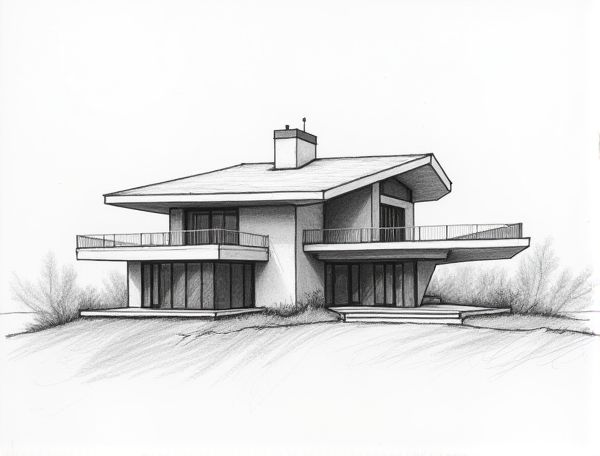
Photo illustration: Deconstructivist home design with irregular rooflines
Deconstructivist home design features irregular rooflines that challenge traditional architectural forms, creating a dynamic and visually striking aesthetic. Explore the full article to discover how your home can embody this bold, unconventional style.
Introduction to Deconstructivist Home Design
Deconstructivist home design challenges traditional architectural conventions by emphasizing fragmented forms, asymmetry, and non-linear shapes that create dynamic visual interest. This style incorporates unconventional materials and structural elements that appear chaotic yet are carefully engineered for stability and functionality. Influenced by avant-garde art movements, deconstructivist homes prioritize innovation and individuality, making each residence a unique architectural statement.
Defining Deconstructivism in Architecture
Deconstructivism in architecture challenges traditional design principles by embracing fragmentation, non-linear processes, and unpredictable forms. This style emphasizes asymmetry, distortion, and the manipulation of surface skins to create visually dynamic and unconventional structures. Pioneered by architects such as Frank Gehry and Zaha Hadid, deconstructivism reflects a break from modernist simplicity toward complex, disjointed aesthetics.
Key Characteristics of Irregular Rooflines
Irregular rooflines feature varying pitches, asymmetrical shapes, and multiple roof sections that create dynamic architectural interest. These designs often incorporate complex angles and overhangs, enhancing both aesthetic appeal and functional water drainage. Materials such as shingles, metal, or slate are commonly used to emphasize texture and complement the unique roof structure.
Influential Deconstructivist Architects and Projects
Influential Deconstructivist architects like Frank Gehry and Zaha Hadid revolutionized home design by challenging traditional architectural forms and embracing fragmentation and unconventional shapes. Their iconic projects, such as Gehry's Guggenheim Museum and Hadid's Heydar Aliyev Center, inspire innovative design techniques that you can incorporate into your home to create dynamic, sculptural spaces. Emphasizing asymmetry, unpredictability, and complex geometry, these architects push the boundaries of home aesthetics and functionality.
Material Choices in Deconstructivist Homes
Deconstructivist homes often feature unconventional material choices such as exposed steel beams, raw concrete, and glass to emphasize fragmentation and non-linear forms. Innovative use of reclaimed wood and metal panels enhances the architectural aesthetic while promoting sustainability. These materials contribute to the distinctive chaotic yet intentional appearance characteristic of deconstructivist design.
Structural Engineering for Irregular Roofs
Structural engineering for irregular roofs requires precise load analysis to ensure stability and durability under variable forces such as wind and snow. Advanced modeling techniques, including finite element analysis, optimize the distribution of stresses and prevent structural failures. Using reinforced materials and custom support frameworks enhances the roof's resilience while maintaining aesthetic design flexibility.
Interior Space Planning Challenges
Efficient interior space planning requires balancing functional zones and aesthetic appeal while maximizing available square footage in your home. Overcoming challenges such as irregular room shapes, limited storage options, and traffic flow ensures a harmonious and practical living environment.
Lighting and Window Strategies
Maximizing natural light through strategically placed windows enhances energy efficiency and creates a vibrant, inviting atmosphere in your home. Incorporating layered lighting techniques, such as ambient, task, and accent lighting, ensures functional illumination tailored to each space's purpose. Your design will benefit from window treatments that balance privacy with daylight control, optimizing comfort and aesthetic appeal.
Sustainability Considerations in Deconstructivism
Sustainability considerations in deconstructivism emphasize the use of eco-friendly materials and energy-efficient technologies to minimize environmental impact. You can incorporate recycled steel, reclaimed wood, and low-VOC finishes to enhance your home's sustainability while maintaining its dynamic, fragmented aesthetic. Integrating passive solar design and natural ventilation further reduces energy consumption, aligning deconstructivist architecture with green building principles.
Future Trends in Deconstructivist Residential Design
Deconstructivist residential design increasingly embraces fragmented forms and non-linear geometries, challenging conventional architectural norms to create visually dynamic homes. Advanced materials like glass-reinforced concrete and smart composites enable greater structural flexibility and sustainability, enhancing both aesthetic appeal and environmental performance. Integration of AI-driven design tools optimizes spatial configurations and customizes unique, functionally complex living spaces that redefine modern habitation.